
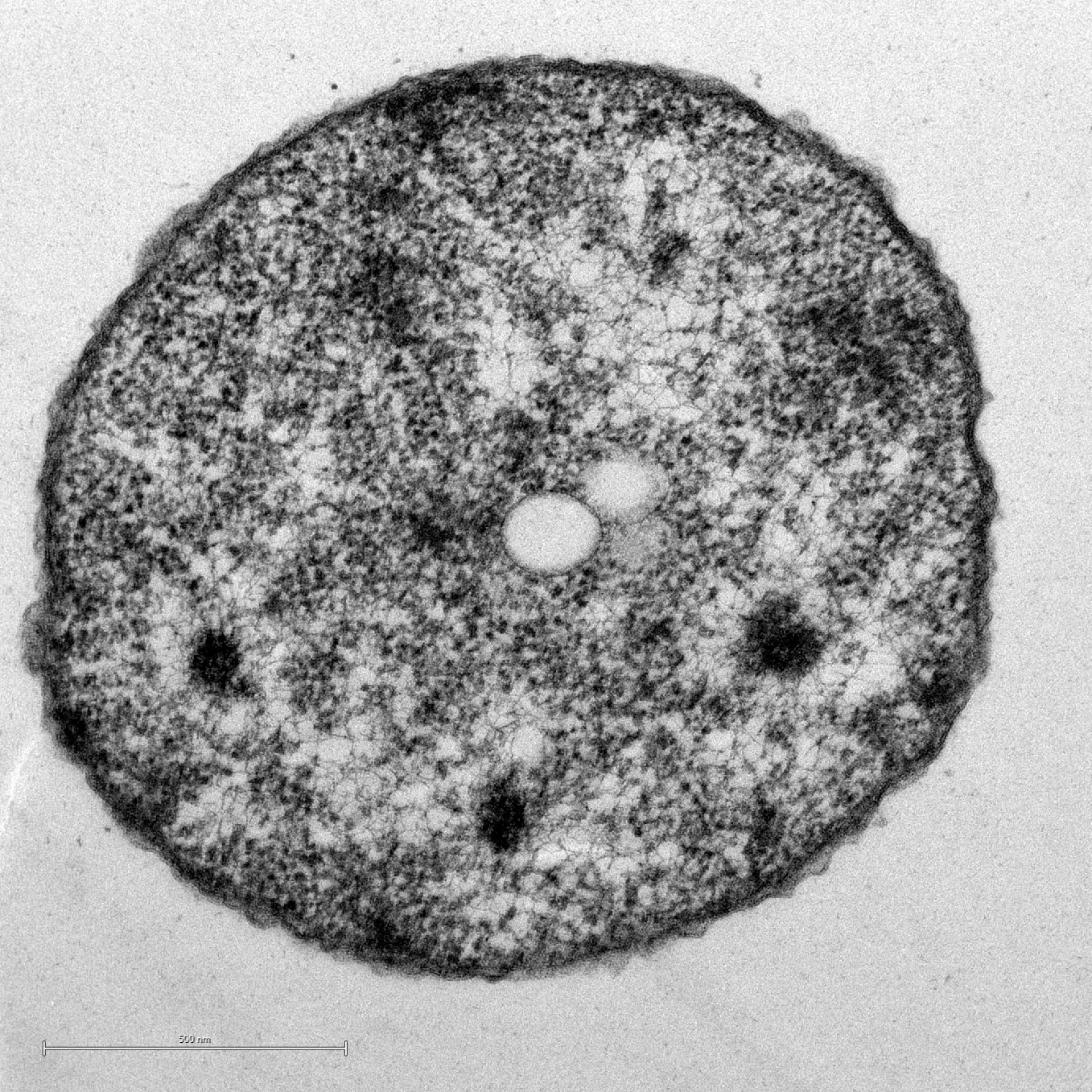
Co-Infection by LF89-like and EM-90-like Genogroups of Piscirickettsia salmonis in Farmed Atlantic Salmon in Chile: Implications for Surveillance and Control of Piscirickettsiosis
Marco Rozas-Serri, Andrea Peña, Ian Gardner, Estefanía Peñaloza, Lucerina Maldonado, Ariel Muñoz, Fernando O. Mardones, Catalina Rodríguez, Ricardo Ildefonso, Carolina Senn and Felipe Aranis
Abstract
Piscirickettsiosis (SRS), caused by Piscirickettsia salmonis, is the main infectious disease that affects farmed Atlantic salmon in Chile. Currently, the official surveillance and control plan for SRS in Chile is based only on the detection of P. salmonis, but neither of its genogroups (LF-89-like and EM-90-like) are included. Surveillance at the genogroup level is essential not only for defining and evaluating the vaccination strategy against SRS, but it is also of utmost importance for early diagnosis, clinical prognosis in the field, treatment, and control of the disease. The objectives of this study were to characterize the spatio-temporal distribution of P. salmonis genogroups using genogroup-specific real-time probe-based polymerase chain reaction (qPCR) to discriminate between LF-89-like and EM-90-like within and between seawater farms, individual fish, and tissues/organs during early infection in Atlantic salmon under field conditions. The spatio-temporal distribution of LF-89-like and EM-90-like was shown to be highly variable within and between seawater farms. P. salmonis infection was also proven to be caused by both genogroups at farm, fish, and tissue levels. Our study demonstrated for the first time a complex co-infection by P. salmonis LF-89-like and EM-90-like in Atlantic salmon. Liver nodules (moderate and severe) were strongly associated with EM-90-like infection, but this phenotype was not detected by infection with LF-89-like or co-infection of both genogroups. The detection rate of P. salmonis LF-89-like increased significantly between 2017 and 2021 and was the most prevalent genogroup in Chilean salmon aquaculture during this period. Lastly, a novel strategy to identify P. salmonis genogroups based on novel genogroup-specific qPCR for LF-89-like and EM-90-like genogroups is suggested.